
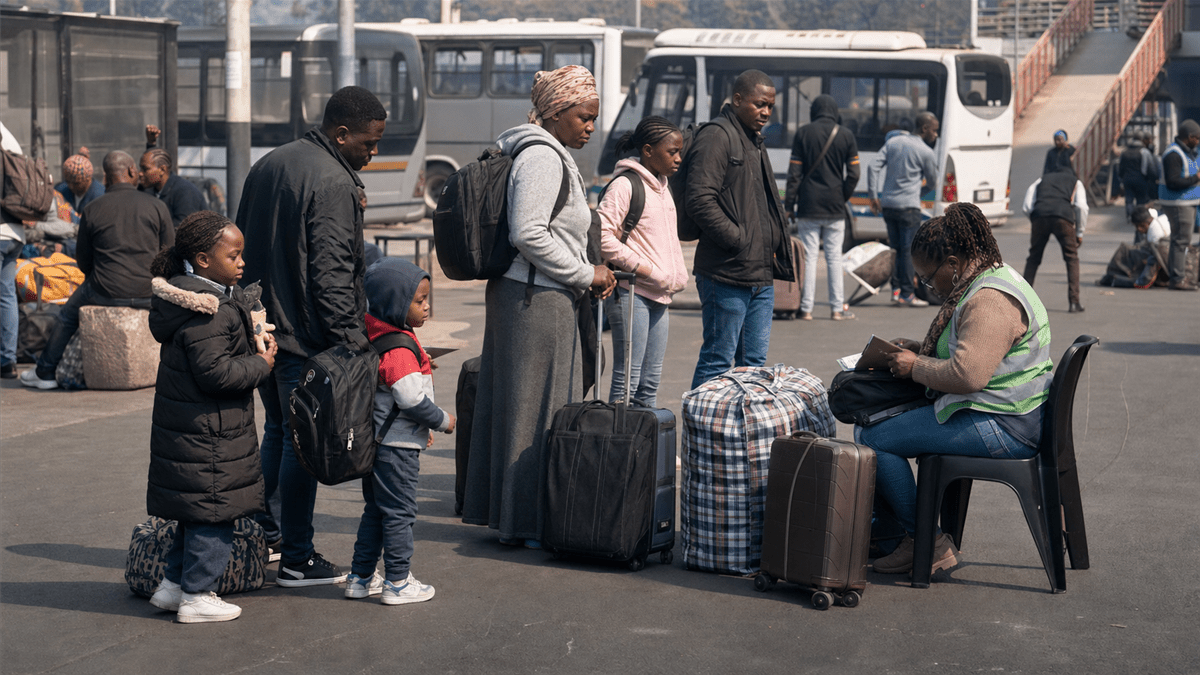
Nigeria and Ghana have renewed pressure on South Africa over attacks and intimidation targeting African migrants, adding a regional diplomatic dispute to a domestic crisis. Their foreign ministers discussed the issue on July 17 and condemned what Nigeria described as continuing Afrophobic protests and incidents.
The diplomatic intervention follows deaths, attacks, unofficial document checks and large-scale departures from South Africa. Governments including Ghana, Nigeria and Malawi have helped citizens return home, while South African authorities have combined immigration enforcement with arrests for public violence and intimidation.
South Africa disputes the regional description
South African officials acknowledge violence and unlawful vigilantism but dispute some claims made by neighboring governments. The government has also argued that enforcing immigration law should not automatically be characterized as hostility toward Africans.
The Associated Press reported that police had arrested 350 people in connection with public violence, intimidation and unauthorized checks in which civilians demanded migrants’ documents. It also reported that more than 53,000 immigrants had been deported or repatriated during the crackdown.
South Africa’s foreign ministry has defended the government’s response and its broader record of relations with African states. In an official response to Ghana, the department said authorities were addressing criminal conduct and emphasized continuing talks with Ghanaian and Nigerian officials.
The domestic argument has several strands. Anti-migrant groups blame undocumented residents for pressure on jobs, housing, health services and policing. Migrant organizations and civil-society groups say those grievances are being generalized into collective blame, including against people with valid status.
Neighbors frame the issue as citizen protection
Channels Television reported that Nigeria and Ghana condemned recent attacks during the ministers’ call. Their coordination shows how the issue has moved beyond separate consular cases toward a shared regional position.
Nigeria previously said two of its nationals were killed in disputed circumstances during the unrest. South African authorities have challenged the claimed connection between those deaths and anti-migrant protests. That disagreement makes transparent investigations central to rebuilding trust.
Ghana has already organized voluntary returns. An earlier AP account documented an initial flight carrying about 300 Ghanaian citizens, illustrating how fear can drive people out even before courts determine responsibility for particular attacks.
The continental stakes are unusually high for South Africa. The country presents itself as a defender of African cooperation and a leading voice in the African Union, yet neighboring governments are asking whether it can protect their citizens from both street violence and unlawful private enforcement.
What to watch
The first test is whether Nigeria, Ghana and South Africa issue a joint account of their discussions and agree on practical protections. Possible measures include police liaison arrangements, verified reporting channels and access for consular officials.
Investigations into reported killings and attacks will be equally important. Public findings that distinguish criminal violence, police action and unrelated deaths could either narrow the dispute or deepen it if the governments reject one another’s evidence.
Further repatriation numbers, prosecutions for intimidation and any formal African Union discussion are the next concrete milestones. South Africa’s ability to enforce immigration rules while stopping vigilante action will remain the central domestic and international test.
Sources
- Channels Television, Nigeria: July 17 ministerial discussion and joint condemnation.
- Department of International Relations and Cooperation, South Africa: official response to Ghana and diplomatic position.
- Associated Press, international: arrests, document checks and deportation or repatriation figures.
- Associated Press, Ghana and South Africa: Ghanaian voluntary repatriation.
This article was researched and drafted with AI assistance and reviewed by a human editor. English-language South African, Nigerian, Ghanaian and international sources were checked directly.