
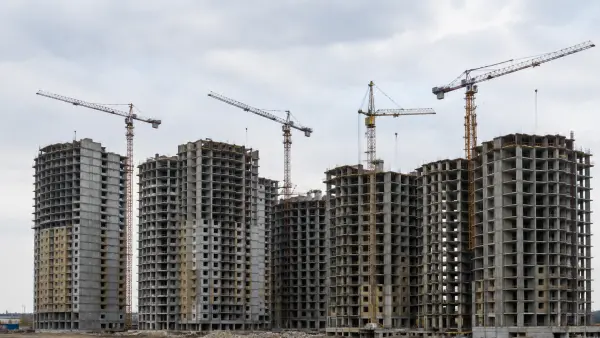
A court in Shenzhen has sentenced China Evergrande Group founder Hui Ka Yan, also known as Xu Jiayin, to life in prison for financial crimes linked to the collapsed property developer. The August 20 first-instance verdict also fined Evergrande Group and Evergrande Real Estate and ordered the confiscation of Hui’s personal property, according to the Supreme People’s Court announcement.
The ruling is the most severe legal outcome yet in a corporate failure that became inseparable from China’s wider housing downturn. It does not, by itself, settle what creditors will recover or when unfinished homes connected to the group will be completed. Those questions remain central for people who bought apartments, companies owed money and local governments responsible for project delivery.
A verdict with several parts
The Shenzhen Intermediate People’s Court said Hui and the two companies were convicted in a combined case involving offences including fundraising fraud and financial fraud. The court imposed fines of 8.82 billion yuan on Evergrande Group and 7 billion yuan on Evergrande Real Estate, and said illegal proceeds would continue to be pursued. The judgment also imposed prison terms and penalties on other defendants.
Chinese official reporting has presented the case as an enforcement action against conduct that distorted financial information, harmed property rights and damaged market order. The court’s statement is the primary account of the verdict; it does not resolve all of the practical consequences for people with claims against the group.
Evergrande defaulted after years of rapid expansion and heavy borrowing. The Associated Press reported that the developer had more than $300 billion in liabilities when its crisis unfolded, and that the broader property slump has weighed on China’s economy since. The same report notes that China’s securities regulator had already fined Hui and permanently barred him from the securities market in 2024.
The company’s liquidation and project-completion work take place on a separate track from the criminal case. A follow-up AP report said authorities had moved to contain the fallout for homebuyers while liquidators pursued assets. That distinction matters: a life sentence is a judicial conclusion about criminal responsibility, not a timetable for resolving every apartment, debt or insolvency claim.
How the case is seen inside China
For many Chinese households, housing is both a home and a major store of savings. The domestic significance of the Evergrande case therefore reaches beyond a prominent executive. It raises whether buyers of pre-sold homes can see projects delivered, how local authorities handle troubled developments, and whether developers’ accounts give purchasers and lenders reliable information.
Official coverage emphasizes punishment and restitution. The court said that remaining illegal gains would be recovered and returned according to law. What that means in individual cases will depend on the asset-recovery process, the order of claims and the resources available at specific projects.
There is also a broader debate about the balance between completing homes, managing debt and restoring confidence without reviving the borrowing practices that made developers vulnerable. The verdict offers a clear statement on alleged wrongdoing by Evergrande’s leadership. It offers less immediate clarity on the financial position of other developers or the pace at which the property market will stabilize.
Why creditors abroad are watching
International coverage has focused on Evergrande as a test of how China manages a property-sector crisis with both domestic buyers and overseas investors affected. Creditors outside mainland China have followed the group’s Hong Kong liquidation process, while domestic authorities have stressed housing delivery and financial stability.
Those priorities can overlap, but they are not identical. A creditor’s recovery may depend on assets, legal jurisdictions and the ranking of claims. A homebuyer’s immediate concern may be construction progress rather than the outcome of a corporate recovery suit. The first-instance criminal verdict does not announce a common settlement for either group.
International observers will also assess whether the case changes corporate governance and disclosure expectations across China’s property sector. The decisive issue is not merely the size of the penalties, but whether financial reporting, financing and project oversight change in ways that reduce risks for buyers and investors.
What to watch
Hui has appeal rights under China’s criminal procedure. Any appeal filing or second-instance ruling will be the clearest legal milestone, as will further court information on the sentences and fines imposed on the other defendants.
For homebuyers, the concrete test is project delivery. Updates from local governments, project companies and housing authorities on unfinished Evergrande developments will show whether the parallel effort to complete homes continues to make progress.
For creditors, the next milestones are liquidators’ recovery updates and court decisions in relevant insolvency proceedings. Those documents may clarify which assets can be recovered, how claims are ranked and whether the criminal case changes the pool of money available for repayment.
Sources
- Supreme People’s Court, China: first-instance verdict announcement, Chinese.
- China Daily, China: domestic report on the sentence.
- Associated Press, United States: case background, liabilities and regulatory history.
- Associated Press, United States: post-verdict recovery and containment context.