
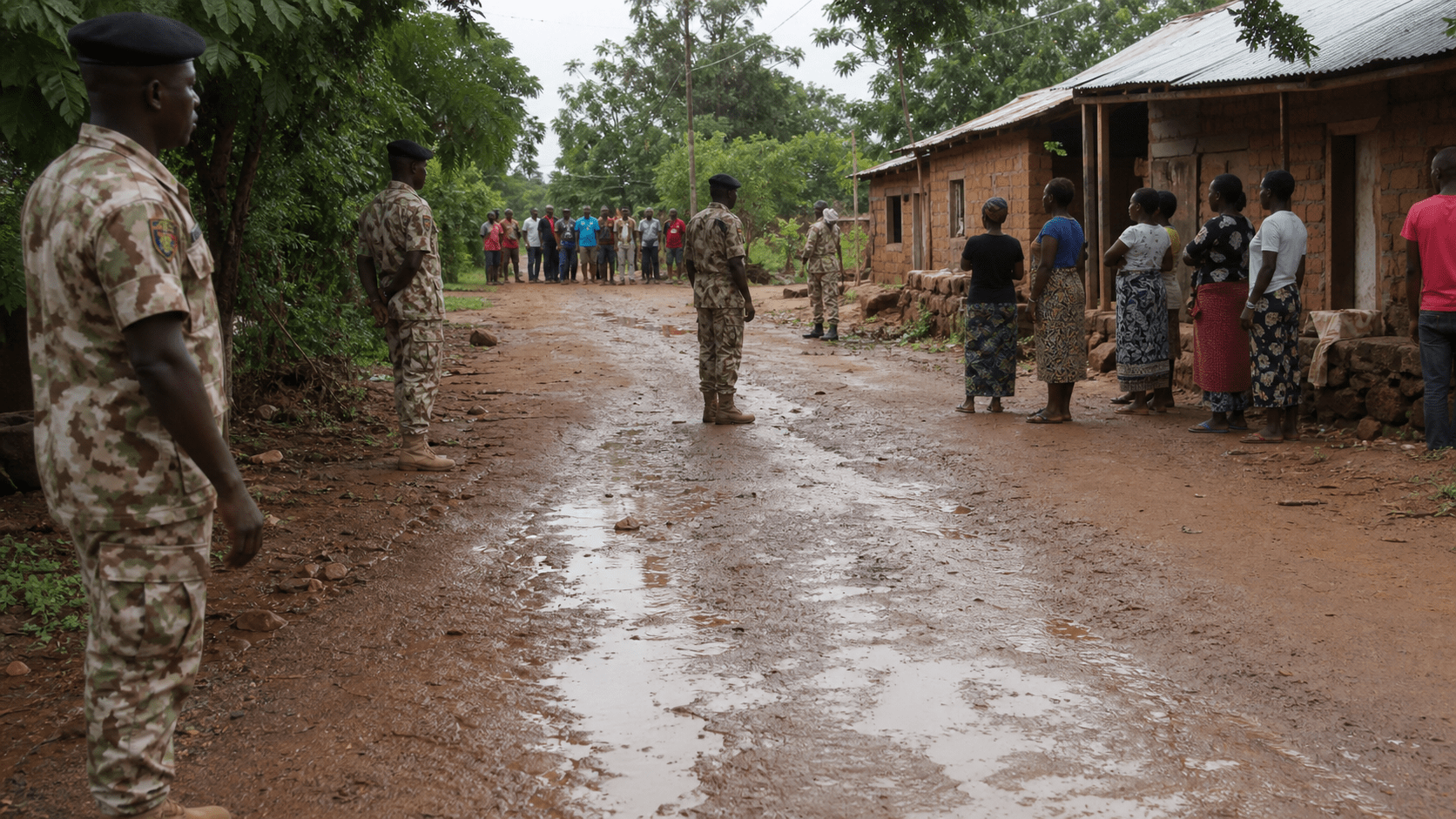
Gunmen opened fire after a funeral in the Otukpo-Nobi area of Nigeria’s Benue state, killing at least eight people and wounding five, police said. The attack took place early Sunday, and authorities said homes and a motorcycle were also burned.
Police and Amnesty International Nigeria gave different death tolls, with the rights group reporting at least 10 people killed. The discrepancy is a reminder that early casualty figures from rural attacks can change, and that the identity and motive of the attackers had not been established in public reporting.
Benue communities are demanding protection, not just an explanation
The Premium Times report on the police account identified the Otukpo local-government area and said the victims included adults and children. Police said additional officers had been deployed after the attack.
For residents, the immediate issue is whether that deployment prevents more violence. Youth protests reported after the shooting reflect accumulated anger over raids, abductions and a sense that warnings do not lead to lasting protection. Those concerns are local and specific even when national coverage frames Benue through wider conflicts.
Benue is a key food-producing state and has long seen disputes over land, water and movement involving farming and herding communities. That context matters, but it does not establish the motive for this attack. Investigators have not publicly identified the gunmen, and reporting should not assign responsibility without evidence.
International coverage highlights a pattern, but the facts still need sorting
The Associated Press account connected the incident to recurrent insecurity in Benue and noted that 150 people were killed in Yelewata last year. That history helps explain why the attack drew attention beyond the state, but it should not be treated as proof that the same actors or causes were involved here.
International audiences often encounter Benue through competing labels: farmer-herder violence, banditry, communal conflict or terrorism. Each may describe elements of particular incidents, but none should replace a verified account of this one. The important immediate evidence will be police findings, witness protection, arrests and a transparent accounting of casualties.
The wider regional concern is food and displacement. Repeated violence in agricultural communities can interrupt planting, harvesting and trade, while pushing families to leave areas where they may not feel safe returning. That makes a credible security response relevant to neighboring markets and humanitarian organizations as well as to Benue’s residents.
What to watch
Watch for a revised casualty list, named suspects or a public investigative update from Benue police. The gap between the initial police and Amnesty figures should be reconciled through an identified official record, not speculation.
The next practical milestone is whether the additional security deployment remains in the affected communities and whether authorities announce support for displaced or injured residents. Federal and state officials may also outline a broader operation if further attacks are confirmed.
Sources
- Premium Times, Nigeria: police confirmation, location and initial casualty account.
- Vanguard, Nigeria: follow-up reporting on renewed violence in Benue.
- Associated Press, United States: police statement, Amnesty figure and wider Benue context.
- Amnesty International Nigeria, Nigeria: rights group’s public reporting and calls for protection.
This article was researched and drafted with AI assistance and reviewed by a human editor. Nigerian and English-language international reporting were checked directly.