
The Americas have more effective tools than ever to prevent, diagnose and treat HIV, but access remains uneven across and within countries. That was the central warning from the Pan American Health Organization at AIDS 2026, the International AIDS Conference being held in Rio de Janeiro from July 26 to 31.
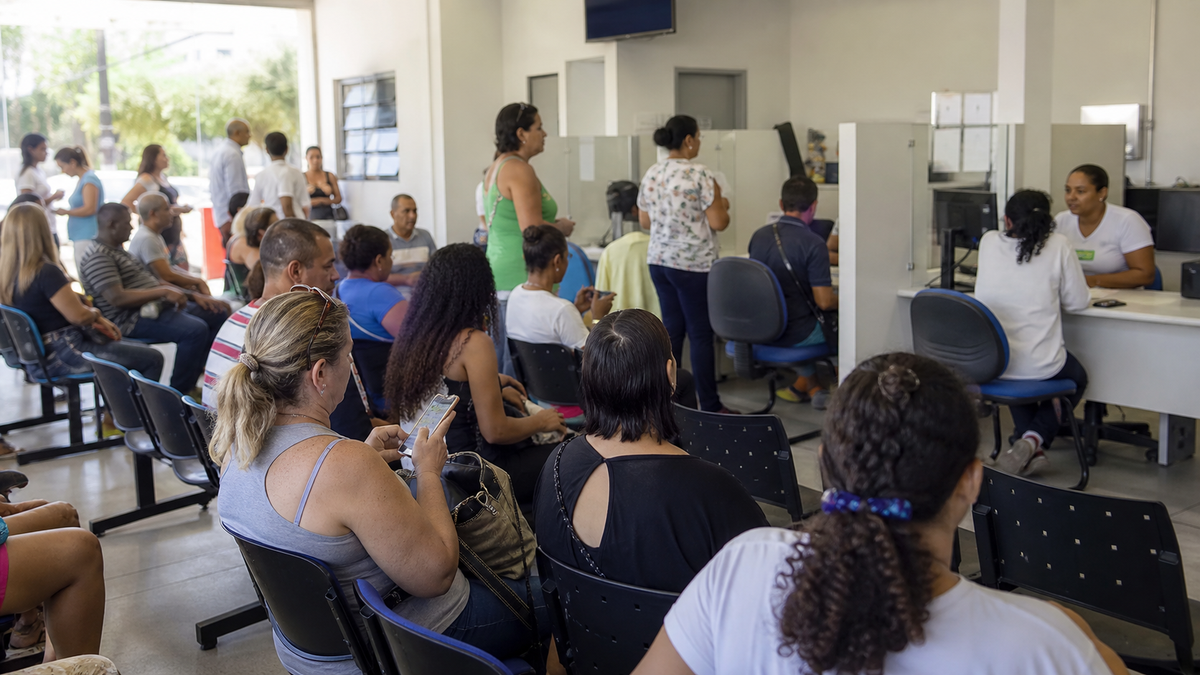
The gap is not simply between countries that possess new medicines and those that do not. It also runs through national health systems, separating people who can obtain testing, preventive medicine and rapid treatment from those facing cost, distance, stigma, discrimination or limited local services.
Regional progress meets unequal access
PAHO said antiretroviral treatment prevented an estimated 117,000 AIDS-related deaths in the Americas in 2024. The agency is calling for wider use of oral and injectable pre-exposure prophylaxis, or PrEP, rapid testing, HIV self-testing, earlier diagnosis and prompt treatment.
Those interventions work at different points in the response. PrEP helps prevent acquisition of HIV, testing identifies infections and antiretroviral treatment allows people living with HIV to protect their health. Effective treatment can also reduce the virus to an undetectable level, meaning it is not sexually transmitted.
The regional average can hide major disparities. Late diagnosis remains a serious problem, especially where people must travel far for specialized care or fear mistreatment because of sexuality, gender identity, migration status or drug use. PAHO has set regional 2030 benchmarks of 13,000 new infections and 5,200 deaths a year in Latin America and the Caribbean, goals that require faster progress than simple expansion of national formularies.
Brazil used the conference to announce a concrete expansion. Its Health Ministry said the public health system will offer long-acting injectable PrEP, adding another prevention option to the country’s established free HIV services. The ministry described the measure as part of a wider effort to improve prevention and treatment access.
Brazil’s announcement also illustrates the question facing the wider region: whether innovation reaches people beyond major cities and well-connected clinics. A medicine’s approval or inclusion in a national program is an important step, but procurement, trained staff, community trust and consistent delivery determine its public-health effect.
The global funding crisis reaches local clinics
The International AIDS Society says the conference is taking place amid major funding cuts. It notes that 9.2 million people living with HIV worldwide were not receiving lifesaving medicines in 2024, while stigma, criminalization and structural inequality continue to block services.
Latin American and Caribbean governments backed a new United Nations political declaration in June covering 2026 to 2031. It commits countries to equitable testing, prevention and treatment, stronger community participation, human rights and sustainable financing. UNAIDS called it a road map, while also warning that progress remains fragile.
International financing decisions can therefore alter domestic access quickly. Community organizations often provide testing and prevention to people whom government clinics struggle to reach. Funding restrictions or abrupt cuts may reduce those services even when medicines and clinical guidance continue to improve.
What to watch
AIDS 2026 runs through July 31. Watch for final conference messages on financing, long-acting prevention, advanced HIV disease and community-led services, as well as any additional procurement commitments from governments in the region.
Brazil’s implementation timetable for injectable PrEP will provide an early practical test. The number and location of participating clinics, eligibility rules and continuity of supply will show whether the announcement meaningfully broadens access.
The larger milestone is how governments translate the 2026-2031 UN political declaration into budgets and national targets. PAHO’s regional alliance and future country data will make it possible to judge whether new tools are reaching populations that current systems miss.
Sources
- PAHO/WHO, Americas: regional access gaps and priorities at AIDS 2026, Spanish.
- PAHO/WHO, Brazil/Americas: conference statement and treatment impact, Portuguese.
- Brazilian Ministry of Health, Brazil: public provision of long-acting injectable PrEP, Portuguese.
- International AIDS Society, international: conference context, treatment gaps and funding pressure, English.
- UNAIDS and United Nations Caribbean, regional: 2026-2031 political declaration and financing concerns, English.
This article was prepared with AI assistance and human editorial review. Portuguese-, Spanish- and English-language official, regional and international sources were checked directly.